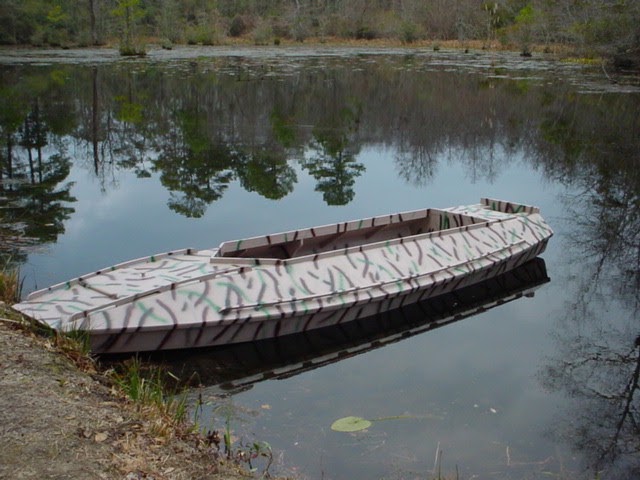
Designing and Building a Hybrid Duck Boat: Navigating All Waters
The thrill of exploring diverse waterways, from tranquil lakes to choppy seas, is something many dream of. But what if you could seamlessly transition from calm, shallow waters to open ocean without sacrificing performance or comfort? That's where the hybrid duck boat comes in! A versatile vessel designed to handle a wide range of water conditions, it offers the best of both worlds: the shallow-water capabilities of a duck boat and the stability and power of a traditional boat.
Building a hybrid duck boat isn't just about throwing together different parts. It's about careful planning, considering each aspect to optimize its performance and longevity. Let's dive into the design and construction process, making your dream of a versatile watercraft a reality.
The Heart of the Hybrid: Design Considerations
Building a successful hybrid duck boat starts with a well-thought-out design. Think about what you'll be using the boat for and the water conditions you'll encounter. This will guide your choices and ensure a safe and enjoyable experience.
Hull Shape and Size
The hull design is crucial for determining the boat's maneuverability and stability. A classic duck boat's shallow draft and wide, flat bottom allow it to glide effortlessly through shallow waters and navigate marshes. However, for open water, a modified hull shape is necessary.
Consider a hull with a deeper V-shaped bottom for better stability and handling in rough seas. The keel can be slightly narrower in the front for better maneuverability in shallow waters and wider in the rear for stability at higher speeds. Additionally, the hull can be designed to incorporate a "tunnel" or "step" that helps lift the boat out of the water at higher speeds, reducing drag and increasing efficiency.
The size of the hull depends on your desired capacity and the type of engine you'll be using. For a smaller boat, a 14-foot hull might suffice. For a larger boat that can accommodate more passengers and gear, a 16-foot or even 18-foot hull might be more appropriate.
Engine and Propulsion System
The engine plays a critical role in determining your boat's power and speed. Since you're building a hybrid, you'll want an engine capable of propelling the boat effectively in both shallow and deep waters.
Consider a powerful outboard motor with a high-thrust propeller, allowing you to navigate shallow waters while still offering sufficient power for open water. A four-stroke engine is often preferred for its fuel efficiency and quieter operation. Additionally, look into the possibility of a jet drive system. This system uses a powerful water pump to propel the boat, enabling efficient maneuverability in shallow waters and offering a less-obstructive design for navigating through debris.
Steering and Control System
The steering and control system must be reliable and responsive, especially when transitioning between water conditions. Opt for a tiller steering system, which is commonly found on duck boats. This system provides excellent maneuverability in shallow waters and is easily adjustable.
Consider adding a hydraulic steering system to the boat. While this is not strictly necessary for a smaller boat, it can significantly improve the handling experience. It provides smooth steering and reduces the effort required to maneuver the boat, especially at higher speeds.
Building the Hybrid Duck Boat: A Step-by-Step Guide
Once your design is finalized, it's time to start building! Here's a general outline of the construction process.
Materials and Tools
Gathering the right materials and tools is crucial for a successful build. Here's a basic list:
Hull Construction
The hull is the backbone of your hybrid duck boat. Here's a basic construction process:
Adding Deck and Other Features
Once the hull is complete, it's time to add the deck, seats, storage compartments, and other features. This process involves:
Finishing Touches
Before launching your hybrid duck boat, ensure it's ready for adventure!
Taking Your Hybrid Duck Boat for a Spin: Safety and Maintenance
Congratulations! Your hybrid duck boat is ready to explore the water. Before venturing out, remember safety and maintenance are paramount.
Commonly Asked Questions
Here are some common questions about building and owning a hybrid duck boat:
How much does it cost to build a hybrid duck boat?
The cost of building a hybrid duck boat varies greatly depending on the size, materials, and features you choose. You can expect to spend anywhere from a few thousand dollars for a basic model to tens of thousands of dollars for a more elaborate design.
Can I build a hybrid duck boat myself?
Yes, with proper planning and skills, you can build a hybrid duck boat yourself. However, if you're new to boatbuilding, it's recommended to seek guidance from experienced boatbuilders or take classes to learn the necessary techniques.
What are the advantages of a hybrid duck boat?
Hybrid duck boats offer a number of advantages, including:
What are some challenges of owning a hybrid duck boat?
Some challenges of owning a hybrid duck boat include:
Building a hybrid duck boat is a rewarding experience that allows you to explore the full spectrum of waterways. With careful planning, proper construction, and a commitment to safety, you can enjoy the versatility and adventure of this unique watercraft for years to come.

0 comments:
Post a Comment