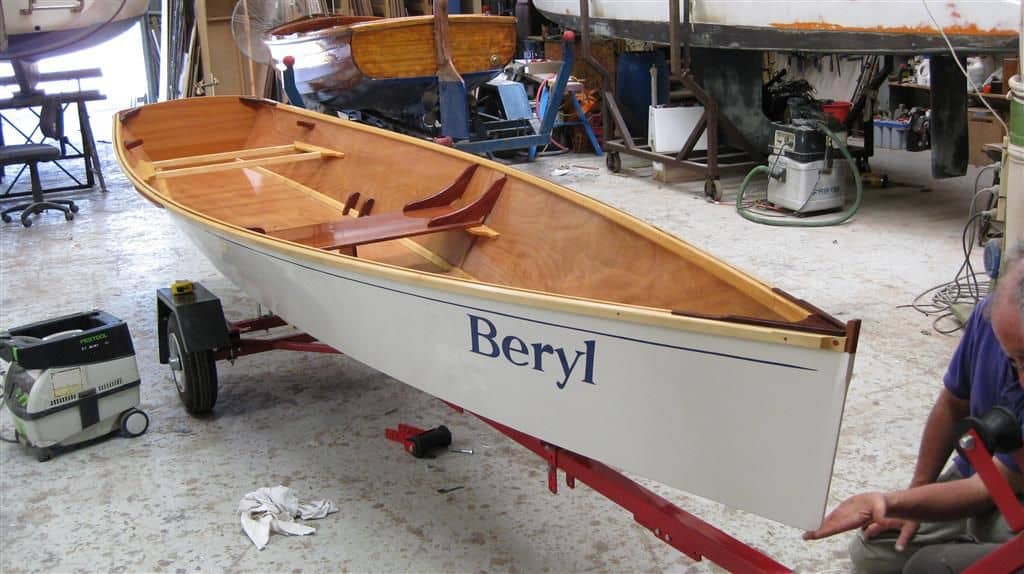
Building Your Own Wooden Rowboat: A Beginner's Guide
Embark on a rewarding journey of woodworking by building your own wooden rowboat. This timeless craft will provide you with hours of enjoyment on the water. This comprehensive guide, designed for beginners, will walk you through each step, empowering you to create a sturdy and beautiful boat.
Step 1: Design and Planning
Before diving into the construction, meticulously plan your rowboat. Consider the size, shape, and intended use of your boat. You'll need to determine the length, width, and depth to fit your needs. Research different rowboat designs and choose one that appeals to you. You can find free plans online or purchase detailed blueprints from specialized suppliers.
Choosing Your Wood
Selecting the right wood is crucial for building a durable and water-resistant boat. Common choices include cedar, oak, and mahogany. Cedar is known for its natural resistance to rot and insects, while oak offers exceptional strength and durability. Mahogany provides a beautiful, rich finish. Consider your budget and desired aesthetic when making your choice.
Gathering Materials
Once you have your design, gather all the necessary materials. This includes wood planks, plywood, epoxy resin, fiberglass cloth, marine-grade paint, fasteners, and various tools. It's advisable to purchase high-quality materials for long-lasting performance.
Step 2: Preparing the Frame
Start by constructing the frame, which forms the skeletal structure of your rowboat. This typically involves assembling the keel, stem, stern, and ribs using strong marine-grade plywood or solid wood. Carefully cut and shape the pieces according to your plan, ensuring accurate measurements and tight joints. Use waterproof glue and appropriate fasteners to secure the frame components.
Cutting and Shaping
Use a handsaw, jigsaw, or table saw to cut the wood planks to the specified lengths. A band saw or belt sander can be used to shape the planks to the desired curves. Take your time and be precise with each cut to ensure the final assembly fits together smoothly.
Step 3: Planking the Hull
Once the frame is complete, start planking the hull. This involves attaching wooden planks to the frame, covering the entire exterior of the boat. Begin with the bottom planks, carefully aligning them and securing them to the frame using marine-grade fasteners. Each plank should be slightly overlapping, creating a watertight seal.
Clamping and Securing
Use clamps to hold the planks in place while applying glue or epoxy. Once the glue or epoxy has dried, reinforce the joints with screws or nails. It's crucial to ensure the planks are tightly joined and the hull is smooth and even.
Step 4: Adding Structural Reinforcement
To enhance the strength and rigidity of your rowboat, incorporate additional structural elements. This may include adding bulkheads (vertical partitions inside the hull), stringers (longitudinal supports), and transoms (structures at the bow and stern). These components provide additional support and help distribute weight evenly throughout the boat.
Step 5: Finishing and Sealing
With the hull complete, it's time to prepare it for the water. Begin by sanding the exterior and interior surfaces smooth to remove any rough edges or imperfections. Once the surfaces are smooth, apply epoxy resin to seal the wood and create a water-resistant barrier. Apply several coats of epoxy, allowing each coat to dry thoroughly before applying the next.
Fiberglassing
For added protection and strength, consider fiberglassing the hull. This involves applying layers of fiberglass cloth over the epoxy resin. The fiberglass cloth is embedded in the epoxy, creating a durable and waterproof shell. Make sure to apply the fiberglass cloth in smooth layers and allow it to cure properly before moving on.
Step 6: Painting and Finishing Touches
The final step is to paint your rowboat and add finishing touches. Choose a marine-grade paint designed to withstand the elements. Apply multiple coats, allowing each coat to dry completely before applying the next.
Adding Details
Once the paint is dry, you can add details like rowing seats, oars, and a rudder. You can also personalize your boat with decorative trim, nameplates, or custom designs.
Step 7: Launching and Enjoying
With the construction complete, it's time to launch your rowboat. Carefully transport it to a safe body of water and take it for a test run. Enjoy the satisfaction of having created your own beautiful and functional boat.
Tips for Success
Building a wooden rowboat is a challenging but rewarding project. By following this step-by-step guide, you'll gain valuable woodworking skills and create a cherished piece of craftsmanship that you can enjoy for years to come. So, gather your tools, choose your wood, and embark on this exciting journey of boat building!

0 comments:
Post a Comment