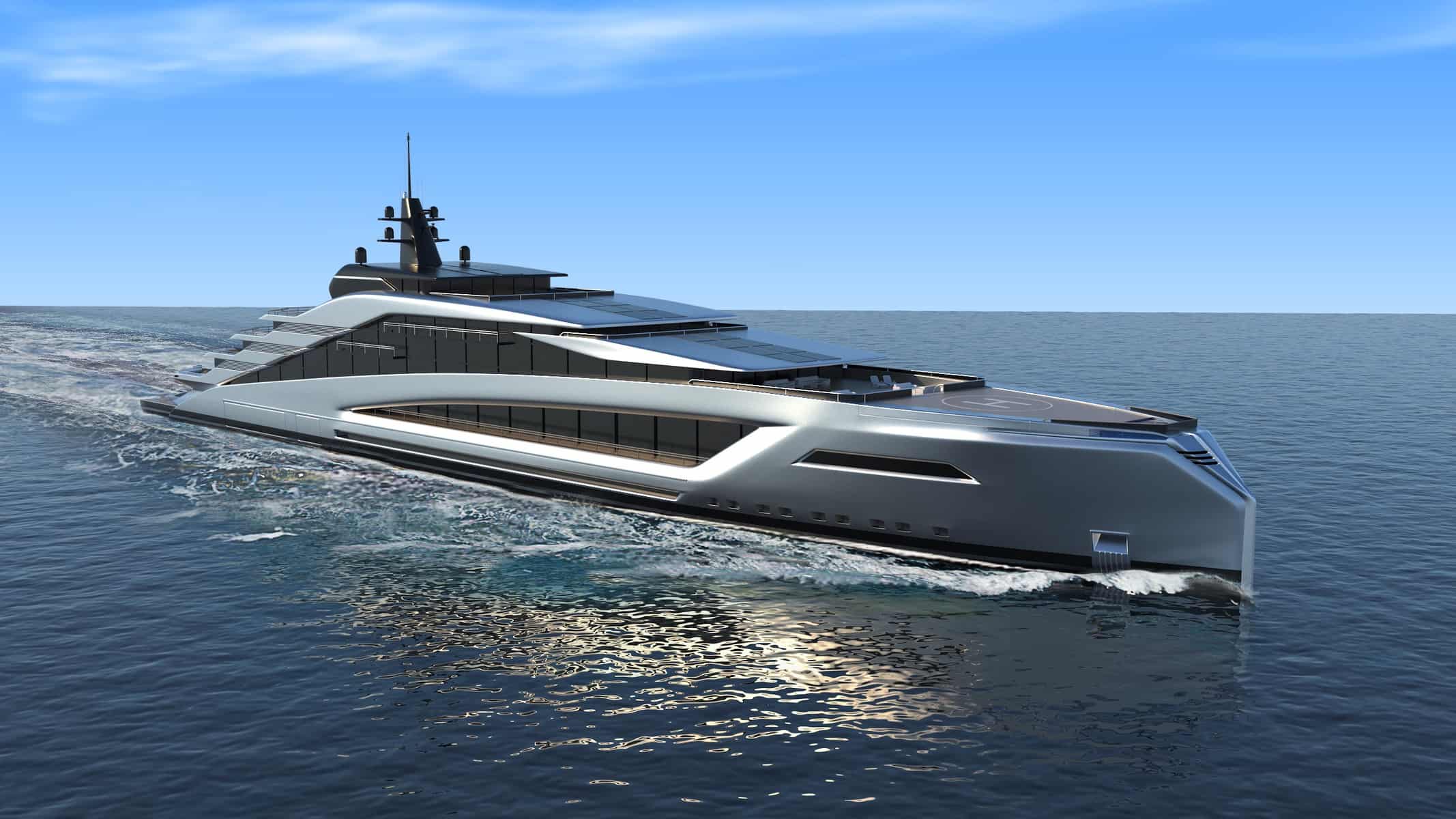
Building a Yacht Hull: A Comprehensive Guide
Embarking on the journey of building a yacht hull is a monumental undertaking, demanding meticulous planning, technical expertise, and unwavering dedication. This comprehensive guide provides a step-by-step blueprint for constructing the foundation of your maritime masterpiece. From initial design to final finishing, we will delve into the intricate processes that transform raw materials into a sleek and durable vessel.
1. Design and Engineering
The cornerstone of any successful yacht hull construction lies in a robust and meticulously conceived design. This phase involves a collaboration between experienced naval architects and engineers, who translate the client's vision into detailed blueprints and specifications.
1.1 Concept Development
The initial stage focuses on defining the yacht's purpose, intended use, and desired performance characteristics. Factors like length, beam, draft, and displacement are carefully considered to achieve optimal balance between speed, stability, and comfort.
1.2 Hydrodynamic Analysis
Computer-aided design (CAD) software plays a crucial role in simulating the hull's behavior in water, ensuring efficient water flow and minimal drag. This analysis optimizes the hull shape, minimizing resistance and maximizing speed and fuel efficiency.
1.3 Structural Engineering
Engineers meticulously calculate the hull's structural integrity, determining the optimal thickness, materials, and reinforcement techniques to withstand the stresses of seafaring. Strength, stiffness, and resistance to fatigue are paramount for a safe and durable yacht.
2. Material Selection
Choosing the right materials for a yacht hull is essential for achieving the desired performance, durability, and aesthetic appeal. The selection depends on the yacht's size, intended use, and budgetary constraints.
2.1 Fiberglass Reinforced Plastic (FRP)
FRP, commonly known as fiberglass, is the most popular material for yacht hulls due to its versatility, strength-to-weight ratio, and affordability. Fiberglass offers excellent corrosion resistance and can be molded into complex shapes, allowing for intricate hull designs.
2.2 Aluminum
Aluminum is another common choice for yacht hulls, particularly for larger vessels. It offers high strength-to-weight ratio, excellent corrosion resistance, and ease of fabrication. Aluminum hulls are known for their lightweight construction, contributing to increased speed and fuel efficiency.
2.3 Steel
Steel, while heavier than fiberglass or aluminum, offers exceptional strength and durability. It's often preferred for larger, heavy-duty yachts and commercial vessels. Steel hulls are known for their longevity and resilience in challenging marine environments.
3. Hull Construction
The heart of the yacht building process lies in the meticulous construction of the hull, which demands precision, craftsmanship, and adherence to strict quality control standards.
3.1 Molds and Patterns
For FRP or aluminum hulls, accurately crafted molds serve as templates to shape the hull. These molds are typically constructed from wood or composite materials, reflecting the precise dimensions and curvature of the design.3.2 Layering and Bonding
For fiberglass hulls, layers of fiberglass cloth are impregnated with resin and carefully applied to the mold, creating a robust and watertight shell. Each layer is meticulously laid, ensuring uniform distribution of the material and a smooth surface finish.
3.3 Welding and Assembly
For aluminum or steel hulls, skilled welders expertly join individual plates and sections using appropriate techniques to create a strong and seamless structure. Precise alignment and consistent welding are critical for structural integrity.
4. Outfitting and Finishing
Once the hull is complete, it undergoes a series of outfitting and finishing processes to prepare it for its intended purpose and enhance its aesthetic appeal.
4.1 Deck Construction
The deck is built on top of the hull, providing the platform for navigation, living spaces, and amenities. Decks are typically constructed using similar materials as the hull, incorporating structural reinforcements for strength and stability.
4.2 Interior Fittings
The interior spaces are fitted with cabins, galleys, bathrooms, and other essential features. These spaces are often customized to the owner's specifications, incorporating luxurious finishes, state-of-the-art amenities, and thoughtful layouts.
4.3 Painting and Finishing
The hull and deck are meticulously sanded, primed, and painted to achieve the desired color, gloss, and protection against marine elements. Specialized marine paints offer UV protection, anti-fouling properties, and enhance the aesthetics of the vessel.
5. Sea Trials and Commissioning
Before handing over the yacht to its owner, rigorous sea trials are conducted to ensure it meets design specifications and performs safely and effectively. The trials test the hull's stability, speed, maneuverability, and seaworthiness in a variety of conditions.
5.1 Hull Performance Evaluation
The sea trials focus on assessing the hull's hydrodynamic performance, stability, and resistance to rolling and pitching. Engineers and technicians carefully monitor the vessel's response to varying sea states, wind conditions, and maneuvers.
5.2 Systems Testing
During the trials, all onboard systems are thoroughly tested, including engines, navigation equipment, communication systems, and electrical systems. The focus is on ensuring smooth operation and flawless performance in all operating scenarios.
6. Yacht Delivery and Ownership
Once the sea trials are successfully completed, the yacht is ready for delivery to its owner. This process involves a thorough inspection, documentation, and handover to the new owner. The yacht builder may also provide initial training on operation and maintenance.
6.1 Documentation and Compliance
Before the yacht is officially delivered, all necessary documentation must be prepared and reviewed, ensuring compliance with relevant maritime regulations, safety standards, and registration requirements.
6.2 Owner's Manual and Training
The builder provides comprehensive owner's manuals containing detailed instructions on operating, maintaining, and caring for the yacht. Initial training sessions may be conducted to familiarize the owner with the vessel's systems and procedures.
Building a yacht hull is a complex and rewarding endeavor, combining artistry, engineering, and meticulous craftsmanship. From the initial design to the final sea trials, each step requires careful planning, precision execution, and a dedication to quality. The result is a timeless masterpiece, ready to navigate the world's oceans in style and comfort.

0 comments:
Post a Comment