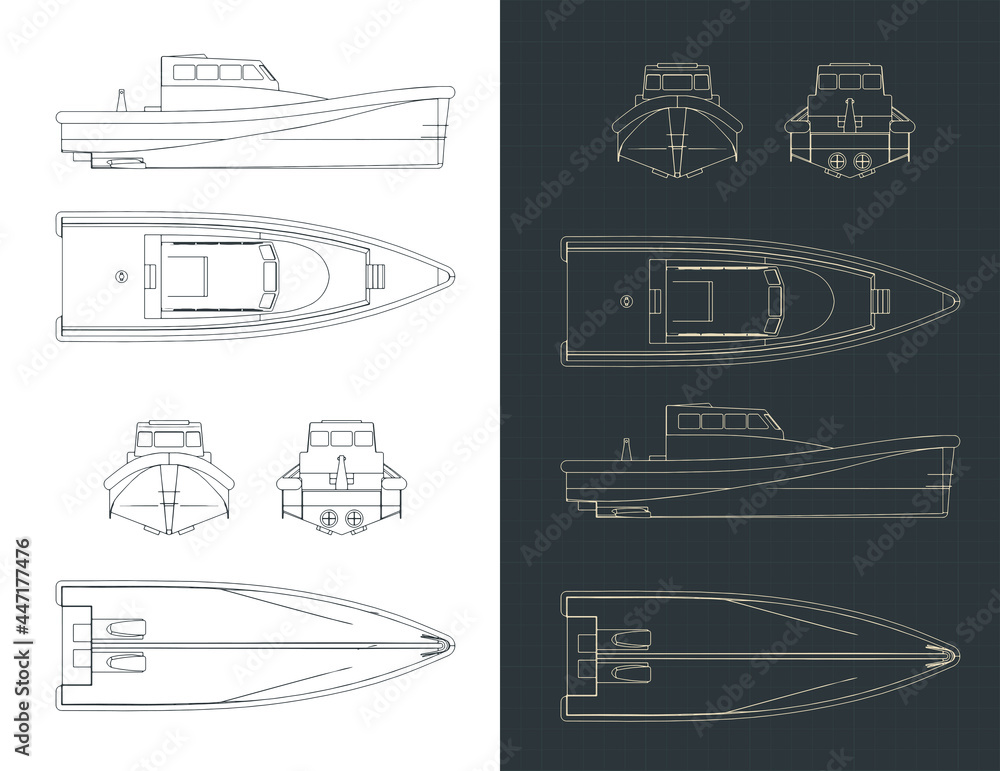
Beyond the Blueprint: Unveiling Hidden Potential in Custom Boat Design
Building a boat is a monumental task, a blend of artistry and engineering. While readily available blueprints offer a starting point, true innovation lies in pushing beyond the limitations of pre-existing designs. This article delves into often-overlooked aspects of custom boat building, challenging conventional wisdom and sparking new perspectives for hobbyists, professionals, and educators alike.
The Unsung Hero: Material Selection Beyond the Usual Suspects
Most blueprints assume traditional materials like fiberglass, wood, or aluminum. But what about exploring alternatives? This isn't just about cost-saving; it's about unlocking new design possibilities.
Q: What are some unconventional materials suitable for boat building, and what are their advantages?
A: The world of composite materials is vast. Consider:
- Bamboo composites: Offering a surprisingly high strength-to-weight ratio and sustainable sourcing, bamboo could revolutionize lighter, eco-friendly designs. Research by the University of Maine's Advanced Structures and Composites Center shows promising results in this area.
- Recycled plastics: Turning plastic waste into boat hulls is not only environmentally responsible but also cost-effective, opening doors for unique construction techniques. Organizations like Seabin Project are pioneering this approach, although widespread adaptation in boat building is still in its nascent stages.
- Mycelium composites: A rapidly growing field, mycelium (mushroom root) composites offer lightweight, biodegradable alternatives, opening up entirely new avenues for sustainable boat building. While still in the experimental stage for large-scale boat construction, the potential is immense.
Rethinking Hull Design: Beyond Traditional Shapes
Classic hull designs are well-established, but advancements in computational fluid dynamics (CFD) allow for radical departures. Why stick to the norm when you can optimize for specific conditions?
Q: How can CFD modeling push the boundaries of boat hull design?
A: CFD allows for the virtual testing of thousands of hull shapes, predicting hydrodynamic performance with unprecedented accuracy. This allows for:
- Optimized wave-piercing hulls: Reducing drag and increasing fuel efficiency in rough seas. Recent research published in the Journal of Marine Science and Engineering highlights significant improvements achievable through CFD-driven design.
- Adaptive hull forms: Imagine hulls that dynamically adjust their shape based on sea conditions, maximizing performance and stability. This is an area of active research, with promising developments using advanced materials and actuators.
- Biomimicry in hull design: Studying the hydrodynamics of marine animals like dolphins and whales can inspire innovative hull forms with reduced drag and improved maneuverability. This approach is gaining traction within naval architecture, leading to more efficient and sustainable vessel designs.
The Human Element: Ergonomics and User Experience
Blueprints often prioritize functionality over the user experience. A comfortable, intuitive boat is a joy to operate; a poorly designed one is a source of frustration.
Q: How can boat builders integrate human factors engineering into their designs?
A: By considering the following:
- Anthropometric data: Ensuring the boat's layout accommodates the size and reach of its users, preventing strain and fatigue.
- Intuitive controls: Placing switches, levers, and other controls in easily accessible and logical positions.
- Safety considerations: Prioritizing clear visibility, secure handholds, and emergency procedures.
- Accessibility features: Designing for inclusivity, ensuring the boat can be used by people with diverse abilities.
By embracing these unconventional perspectives, boat builders can transcend the limitations of traditional blueprints, creating vessels that are not only functional but also innovative, sustainable, and user-friendly. The future of boat building lies in pushing the boundaries of what's possible, transforming the art of boatmaking into a truly personalized and fulfilling experience.


0 comments:
Post a Comment