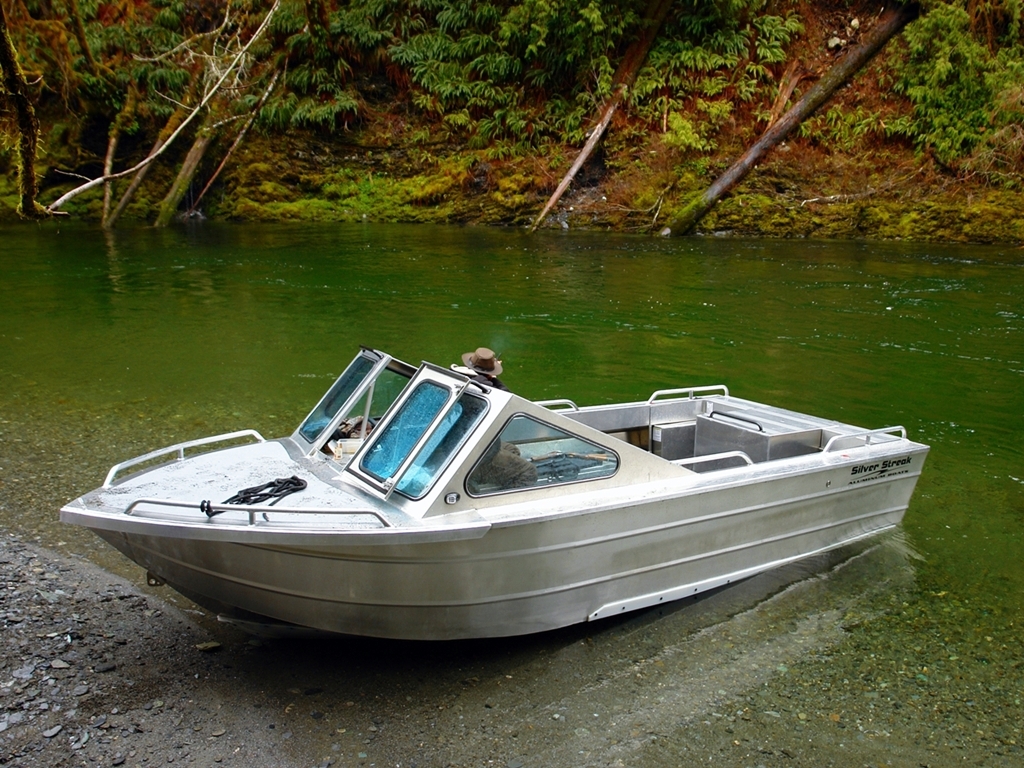
DIY Guide to Building a Compact Jet Boat for Adventures
Embark on thrilling water adventures with a compact jet boat built by your own hands. This comprehensive guide provides step-by-step instructions and essential insights for crafting a sturdy, versatile, and exhilarating vessel.
Step 1: Conceptualizing Your Compact Jet Boat
Before diving into the construction process, it's vital to envision the ideal characteristics of your jet boat. Consider factors such as:
1.1 Boat Dimensions and Hull Design:
- Length and Width: Determine the desired size based on intended usage, portability, and storage space. A compact design minimizes drag and maximizes maneuverability.
- Hull Shape: Choose a hull design that balances stability and speed. Options include a V-hull for stability in rough waters or a modified V-hull for a smoother ride.
1.2 Engine and Jet Drive Selection:
- Engine Power: Select an engine that delivers the desired speed and performance. Consider factors like weight, fuel efficiency, and maintenance costs.
- Jet Drive: Opt for a jet drive that matches the engine power and boat size. Choose between a centrifugal pump jet drive for high-speed performance or an axial pump jet drive for efficiency and low-speed operation.
1.3 Materials and Budget:
- Hull Material: Select a durable material like fiberglass, aluminum, or plywood. Consider the cost, weight, and desired level of durability.
- Budget: Establish a realistic budget for the project. Factor in costs for materials, tools, engine, jet drive, and accessories.
Step 2: Acquiring Materials and Tools
Once you have a clear design concept, gather the necessary materials and tools. This step involves:
2.1 Hull Materials:
- Fiberglass: Choose fiberglass cloth and resin suitable for marine applications. Ensure they are UV-resistant and durable.
- Aluminum: Opt for marine-grade aluminum sheets for superior corrosion resistance. Aluminum offers excellent strength-to-weight ratio.
- Plywood: Select marine-grade plywood for a cost-effective option. Ensure it is treated with water-resistant epoxy or varnish.
2.2 Engine and Jet Drive:
- Engine: Acquire a compatible engine that meets your power and performance requirements. Consider a reliable brand with readily available parts.
- Jet Drive: Choose a jet drive that is compatible with the engine. Ensure it is designed for the hull size and intended use.
2.3 Tools and Equipment:
- Power Tools: Obtain a jigsaw, drill, sander, grinder, and possibly a router for cutting, drilling, and shaping materials.
- Hand Tools: Gather basic hand tools like hammers, screwdrivers, pliers, measuring tape, and levels.
- Safety Equipment: Prioritize safety by acquiring goggles, gloves, ear protection, and respiratory mask.
Step 3: Building the Hull
The hull is the foundation of your jet boat. This step involves constructing a strong and watertight structure. Choose your preferred method based on your material choice:
3.1 Fiberglass Hull Construction:
- Molds: Create wooden or fiberglass molds for the hull shape. Ensure the molds are accurate and smooth.
- Layering Fiberglass: Apply layers of fiberglass cloth and resin onto the molds. Each layer must be carefully smoothed and allowed to cure properly.
- Reinforcement: Incorporate additional layers of fiberglass cloth or wood stringers for structural integrity. Ensure the hull is strong enough to withstand the engine's power.
3.2 Aluminum Hull Construction:
- Cutting and Bending: Use a metal shear or a plasma cutter to cut aluminum sheets to the desired shape. Bend the aluminum panels to create the hull curves.
- Welding: Weld the aluminum panels together using an appropriate welding process. Ensure the welds are strong and watertight.
- Stiffeners: Install stiffeners or ribs to reinforce the aluminum hull and prevent flexing under stress.
3.3 Plywood Hull Construction:
- Frame Construction: Build a strong frame using marine-grade plywood or wooden planks. Ensure the frame is adequately braced and supported.
- Skinning the Hull: Apply marine-grade plywood panels to the frame using epoxy or marine-grade adhesive. Ensure the panels are watertight and securely attached.
- Finishing: Apply multiple coats of marine-grade epoxy or varnish to seal and protect the plywood hull.
Step 4: Installing the Engine and Jet Drive
Once the hull is complete, mount the engine and jet drive. Follow these steps carefully:
4.1 Engine Mounting:
- Engine Base: Securely attach the engine to a robust base using the manufacturer's specifications.
- Engine Alignment: Align the engine with the jet drive to ensure proper water flow and optimal performance.
- Cooling System: Connect the engine's cooling system to the jet drive to ensure proper engine temperature management.
4.2 Jet Drive Installation:
- Jet Drive Mounting: Securely attach the jet drive to the transom or stern of the boat using the manufacturer's instructions.
- Jet Drive Alignment: Align the jet drive with the engine to ensure proper water flow and optimal performance.
- Water Intake: Connect the jet drive's water intake to the hull. Ensure the intake is properly sealed and unobstructed.
Step 5: Finishing Touches and Testing
Add the finishing touches to your jet boat to enhance its functionality and aesthetics.
5.1 Interior and Exterior Finishing:
- Interior Layout: Design and install seating, storage compartments, and other interior elements. Ensure the interior is comfortable and functional.
- Exterior Details: Apply a durable marine-grade paint to the hull and deck. Consider adding decorative accents or graphics.
5.2 Testing and Refinement:
- Initial Test: Conduct a thorough test run in a controlled environment to identify any leaks or issues.
- Refinement: Make adjustments to the engine settings, jet drive alignment, or hull shape as needed to optimize performance and handling.
Conclusion: Enjoying Your Compact Jet Boat
Building your own compact jet boat is a challenging but rewarding experience. With careful planning, dedication, and the right resources, you can create a custom-designed vessel that caters to your adventurous spirit. Remember to prioritize safety, maintain regular maintenance, and continuously refine your boat to ensure optimal performance and enjoyment for years to come.

0 comments:
Post a Comment