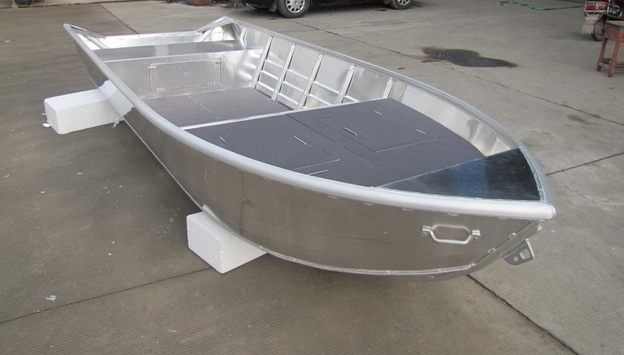
Building a Stable Aluminum Boat with a Flat Bottom
A flat-bottom aluminum boat offers unmatched stability, making it perfect for fishing, leisurely cruising, or navigating shallow waters. This article will guide you through the process of building your own, empowering you to create a sturdy and reliable vessel tailored to your needs.
Choosing the Right Aluminum
The foundation of your boat lies in the quality of aluminum used. Marine-grade aluminum alloys, like 5052 or 5083, offer superior resistance to corrosion and strength. Consult a marine supply store or a local metal fabricator to choose the appropriate gauge for your desired boat size and weight capacity.
Designing Your Boat
Before diving into construction, carefully design your boat's dimensions. Consider your intended use, desired capacity, and the size of the engine. Draw a detailed plan including the length, width, depth, and shape of the hull.
Flat Bottom Design
A flat bottom ensures stability, making it ideal for shallow waters and fishing. The flat surface provides a large area for support, reducing the risk of tipping. You can incorporate a slight "V" shape at the bow for added stability and water displacement.
Cutting and Bending the Aluminum
Once you have a detailed plan, carefully transfer your design onto the aluminum sheets. Use specialized tools like a plasma cutter or a CNC machine to cut the aluminum with precision. For bending the aluminum to create the hull shape, utilize a bending brake or a hydraulic press.
Assembling the Hull
With the aluminum pieces cut and bent, you're ready to assemble the hull. Utilize rivets or welding techniques to secure the panels.
Riveting
Riveting is a popular method for assembling aluminum boats. Use a rivet gun and appropriate rivets to join the panels, ensuring proper spacing and alignment.
Welding
Welding offers a more permanent bond, especially for larger boats. Use a MIG welder with specialized aluminum welding wire to create strong, watertight seams.
Adding Structural Reinforcements
Reinforce the hull with stringers and transom supports for extra strength and stability. These structural elements run along the length of the boat, providing rigidity and preventing flexing.
Finishing Touches
Once the basic hull is built, you can add the finishing touches. Install the gunwales, deck, and any other desired features.
Installing Gunwales
Gunwales provide a secure railing and add to the boat's aesthetic appeal. They can be made from aluminum, wood, or composite materials.
Adding a Deck
A deck provides a walking surface and allows for the installation of seating or other features. Choose a material that is durable and water-resistant, like plywood with a marine-grade coating.
Adding Features
Customize your boat by installing features like seats, a steering console, a motor mount, and storage compartments.
Painting and Finishing
Protect your boat from the elements by applying a high-quality marine paint. Choose a paint that resists UV damage, corrosion, and abrasion.
Safety and Regulations
Before launching your boat, ensure it complies with all applicable safety regulations. Install required safety equipment, such as life jackets, fire extinguishers, and navigation lights.
Enjoy Your Stable Boat
With your flat-bottom aluminum boat completed, you're ready to enjoy the open waters. Always prioritize safety and maintain your boat regularly to ensure its longevity.

0 comments:
Post a Comment