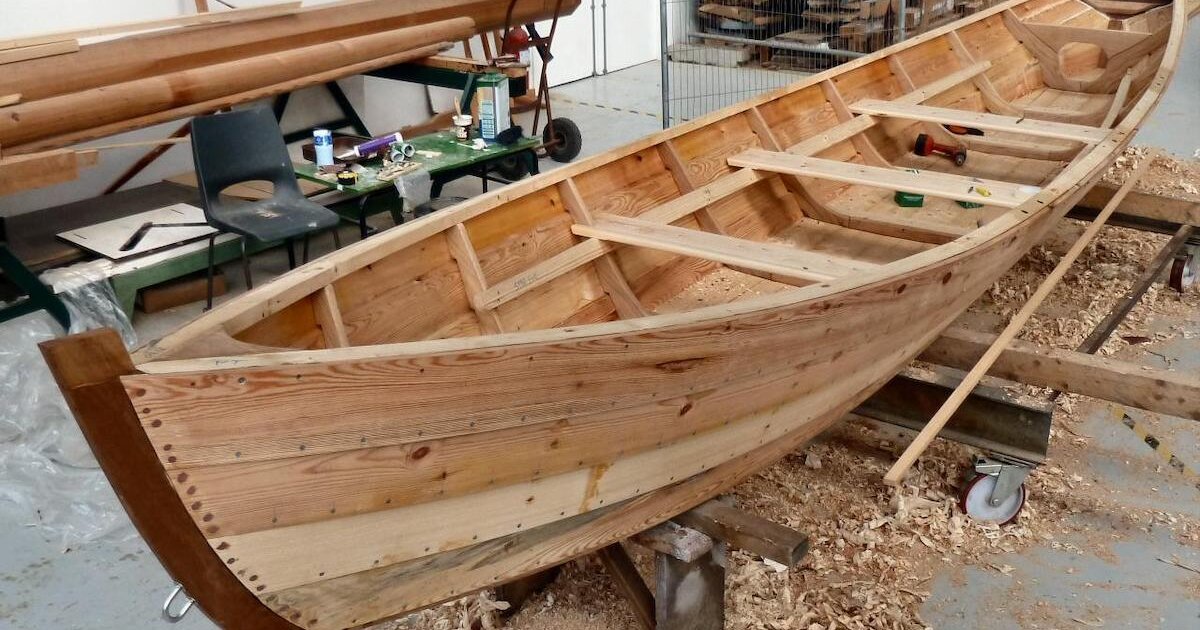
Building Your Dream Wooden Boat: A Guide to Precision and Detail
So, you're dreaming of building your own wooden boat? That's fantastic! It's a challenging but incredibly rewarding project that blends woodworking skills with a touch of artistry. This guide will walk you through the process, focusing on precision and attention to detail â€" the keys to a truly beautiful and seaworthy vessel.
Planning Your Build: Laying the Foundation
Before you even pick up a saw, thorough planning is crucial. This isn't a project you can wing!
Choosing Your Design
Start by selecting a boat plan. There are countless designs available online and in books, ranging from simple canoes to more complex sailboats. Consider your skill level, available tools, and the type of boating you'll be doing. Don't bite off more than you can chew for your first build!
Gathering Your Materials
Quality wood is paramount. Research different wood types â€" cedar, mahogany, oak â€" and choose one that suits your budget and the boat's intended use. You'll also need fasteners, epoxy, varnish, and a whole host of other materials. Make a detailed list and source everything before you begin.
Setting Up Your Workspace
You need a dedicated, well-lit workspace with ample room to maneuver. Good ventilation is essential, especially when working with epoxy and varnish. A workbench, clamps, and a well-organized tool collection will make your life much easier.
Construction: Precision in Every Cut
This is where the real work begins. Accuracy is key, so take your time and double-check your measurements at every stage.
Cutting and Shaping the Wood
Use sharp tools and precise techniques. A table saw, band saw, and hand planes are invaluable. Pay close attention to the grain of the wood and plan your cuts carefully to avoid waste and maximize strength.
Assembling the Hull
Follow your plans meticulously. Use clamps to ensure tight joints and proper alignment. Epoxy is your friend â€" use it generously to create strong, watertight seams. Take breaks, step back, and check your progress frequently to catch any errors early on.
Finishing Touches
Once the hull is assembled and faired (smoothed), you'll need to add decks, seats, and other features. This is where your attention to detail truly shines. Sanding, filling imperfections, and applying multiple coats of varnish will give your boat a professional finish.
Launching and Beyond
The culmination of all your hard work! But remember, even after launch, maintenance is key to a long-lasting boat.
The First Launch
This is exciting, but proceed with caution. Start with a gentle test in calm waters. Check for leaks and any areas needing adjustment.
Ongoing Care and Maintenance
Regularly inspect your boat for any signs of damage. Keep it clean and dry when not in use. Apply fresh varnish as needed to protect the wood from the elements. Proper maintenance is essential to prolong the life of your boat.
Commonly Asked Questions
Here are some questions frequently asked by aspiring boat builders:
- How long does it take to build a wooden boat? This varies greatly depending on the size and complexity of the boat, as well as your experience level. It can range from a few weeks to several months or even years.
- How much does it cost to build a wooden boat? The cost depends on the materials you choose and whether you already have the necessary tools. It can range from a few hundred dollars to several thousand.
- What tools do I need? A basic set of woodworking tools is necessary, including saws, planes, chisels, clamps, and measuring tools. Specialized tools might be needed depending on the design.
- Do I need to be a skilled woodworker? While woodworking skills are definitely helpful, you can learn as you go. Starting with a simpler design is recommended for beginners.
- What kind of wood is best for boat building? Many woods are suitable, including cedar, mahogany, oak, and fir. Each has its own advantages and disadvantages.
Building a wooden boat is a journey, not a race. Enjoy the process, learn from your mistakes, and take pride in your creation. Happy building!

0 comments:
Post a Comment