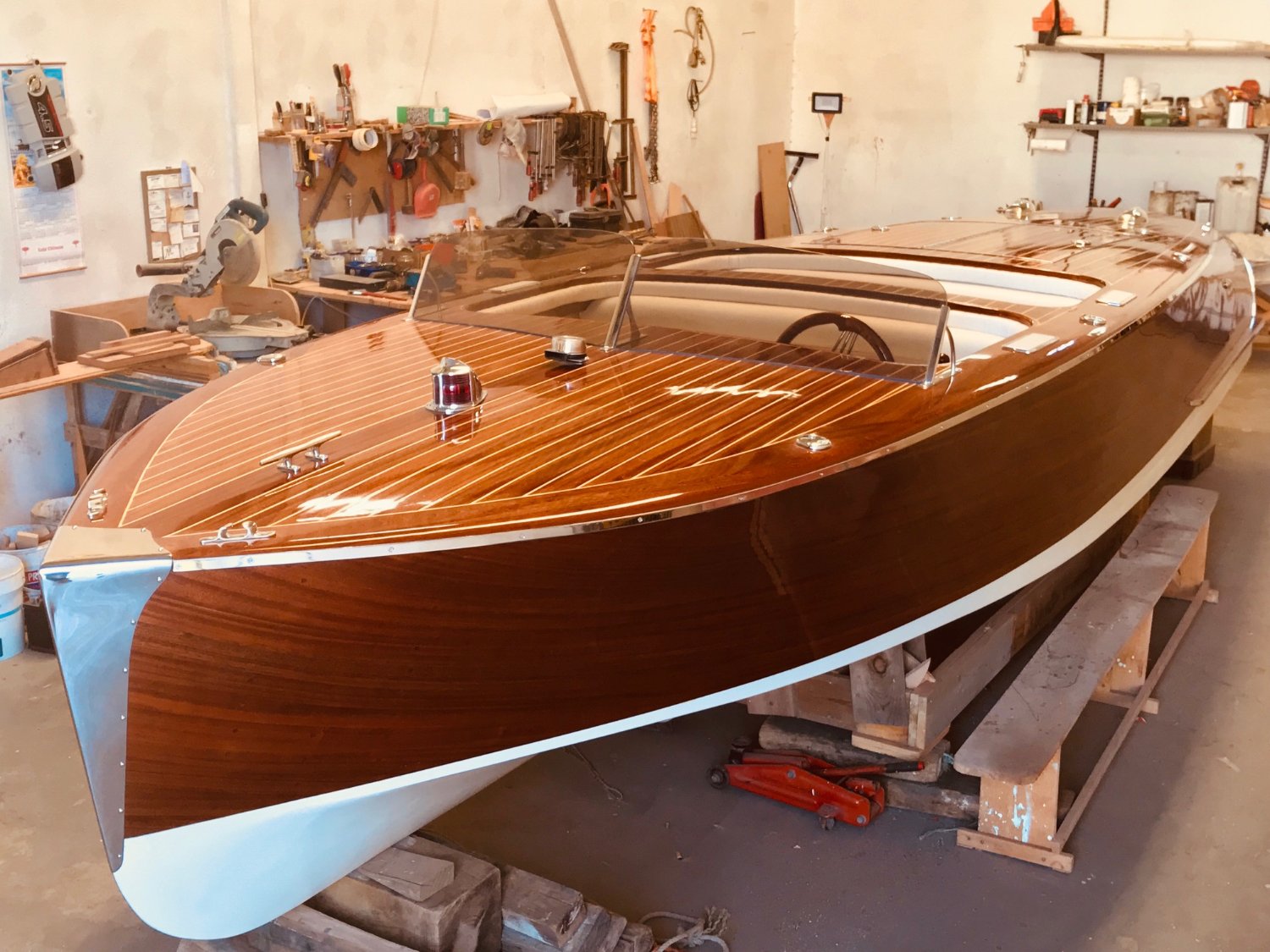
Beyond the Blueprint: Unveiling New Perspectives in Historic Wooden Boat Building
Replicating historic wooden boats is a labor of love, a journey demanding meticulous craftsmanship and deep respect for maritime heritage. While countless plans exist, a deeper dive reveals fascinating nuances often overlooked. This article explores some less-discussed aspects of recreating these vessels, offering fresh insights for both seasoned builders and enthusiastic newcomers.
The Unsung Heroes: Material Sourcing and Sustainability
Finding the "right" wood is more than just finding wood that matches the plan. It's about understanding the historical context.
Q: How can we ensure authenticity without compromising sustainability?
A: The traditional approach often overlooks the environmental impact. While adhering to historical accuracy is vital, we must move towards sustainable sourcing. This means investigating responsibly managed forests, exploring alternative, historically appropriate species (where feasible and documented), and even considering reclaimed wood from old structures â€" a practice gaining traction in restoration projects. Researching the original shipbuilding methods and materials used in the region the vessel originated from is also crucial to ensure appropriate wood species selection and appropriate use of alternative and sustainably harvested wood, and avoiding the use of endangered species.
Q: How can we address the scarcity of historically accurate timber?
A: The dwindling supply of specific historical wood types necessitates innovative solutions. Analyzing microscopic wood samples from surviving fragments of similar vessels can reveal the species used, even if the wood is no longer widely available. This data, combined with modern wood science, can help identify suitable alternatives with similar properties and characteristics, such as density and grain structure. This process has opened opportunities for exploring lesser-known species, potentially revitalizing regional forestry practices.
Beyond the Lines: Embracing Imprecise Plans and Adaptive Building
Many historical plans are incomplete, fragmented, or even contradictory. This presents a unique challenge that can lead to exciting discoveries.
Q: How do we handle inconsistencies and gaps in historical plans?
A: Instead of viewing gaps as setbacks, we should consider them opportunities for creative problem-solving. Digital modeling software allows for the reconstruction and extrapolation of missing components based on surviving parts and related vessels. This "digital archaeology" combined with careful study of similar vessels and period shipbuilding techniques can bridge the gaps without compromising the authenticity of the final result. This is a new frontier for wooden boat building that's being explored by institutions like the Smithsonian National Museum of Natural History. Think of it as a collaborative, historical detective story.
Q: Can we justify alterations based on modern knowledge?
A: The crucial point is transparency. Any deviations from the original plans need to be carefully documented and justified. For instance, applying modern techniques for strengthening structural elements without compromising the aesthetic integrity is a viable approach. Using epoxy for improved water resistance in critical areas, for example, is a well-supported choice if it's meticulously documented.
The Human Element: Preserving Traditional Skills and Knowledge
Building a historic vessel isn’t just about the wood and the plans; it's about preserving the legacy of skilled craftsmanship.
Story: The Case of the "Lost Art" of Caulking.
Recently, a resurgence of interest in traditional caulking techniques, using natural materials like oakum, has highlighted the importance of apprenticeship and knowledge transfer. Many builders are now actively seeking out experienced caulkers to pass down this vital skill, recognizing that the subtle nuances of this craft are often lost in written instructions. This hands-on learning, coupled with documentation and research, guarantees the survival of crucial skills for future generations of boat builders.
In conclusion, recreating historic wooden boats offers a unique opportunity to engage with history, science, and craftsmanship. By embracing new perspectives on material sourcing, plan interpretation, and skill preservation, we can not only build beautiful replicas but also ensure the rich maritime heritage continues to inspire for generations to come.

0 comments:
Post a Comment