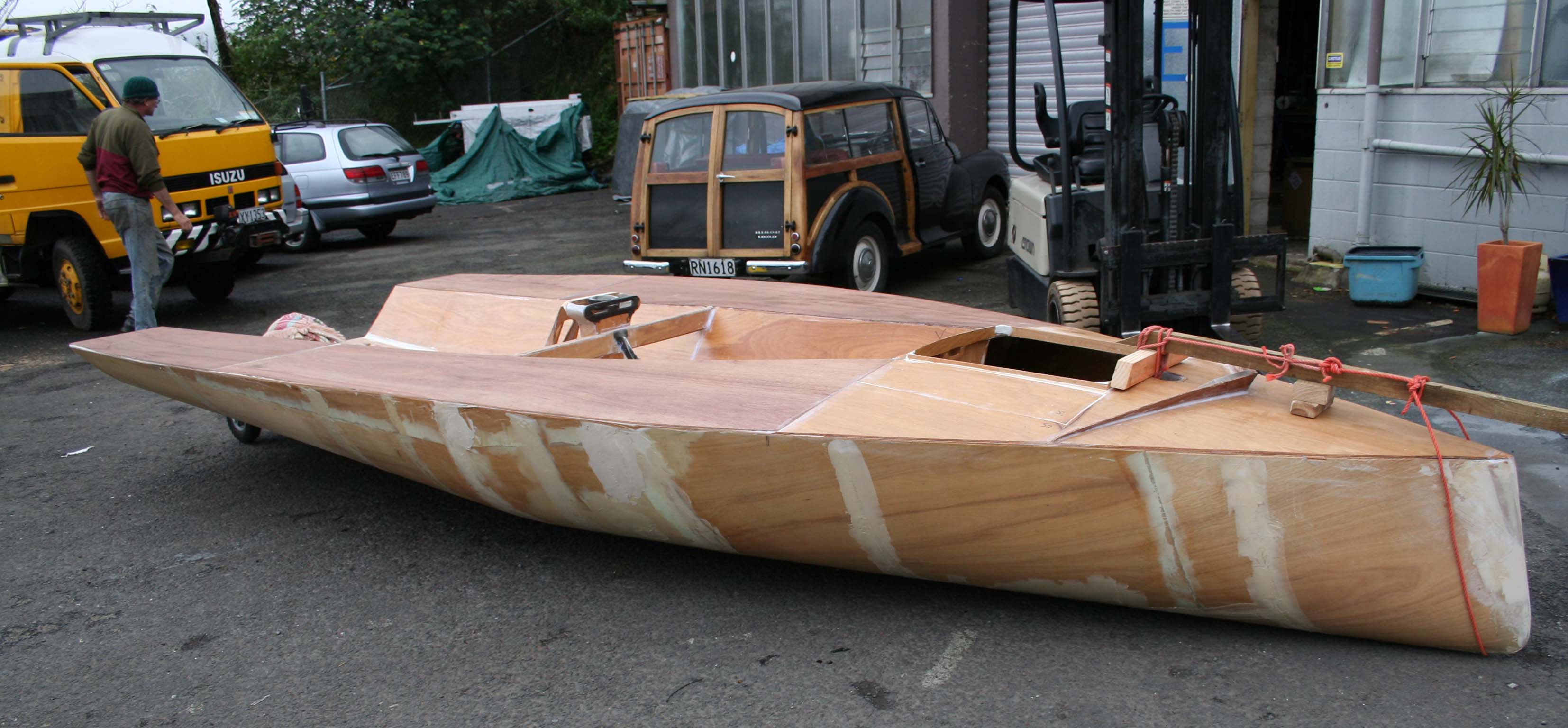
Beyond the Plans: Unlocking Hidden Potential in Stitch-and-Glue Boatbuilding
Building a boat from scratch is a monumental task, but the allure of crafting something unique and functional is undeniable. "How to Design Your Own Boat Using Stitch and Glue Plans" promises to simplify this process, but what about the unspoken challenges and untapped potential? This review delves beyond the surface, exploring rarely discussed aspects of stitch-and-glue construction and offering fresh perspectives for aspiring boatbuilders.
The Unsung Heroes of Material Selection: Beyond the Standard Plywood
Most stitch-and-glue guides focus on marine plywood. But what about exploring alternative materials? This opens a fascinating realm of possibilities and unique boat characteristics.
Q: Can I use reclaimed wood for my stitch-and-glue project?
A: Absolutely! Reclaimed wood offers a sustainable, often aesthetically pleasing alternative. However, careful inspection for rot, splits, and consistent thickness is crucial. Think of the story your boat could tell with reclaimed timber! You might even find unique colorations and grains to make your design truly singular. Just ensure that the wood is suitable for marine use, either through appropriate treatment or inherent properties.
Q: What about experimenting with different plywood grades or species?
A: Standard marine plywood is a reliable choice, but exploring different grades (like higher-grade Okoume or even sustainably harvested alternatives like Paulownia) can impact weight, cost, and the final aesthetic. Consider researching the specific properties and suitability of different wood species for your chosen design and the conditions in which the boat will operate.
Beyond the Plans: Customization and Design Innovation
While the book provides a solid foundation, the true magic lies in pushing beyond the prescribed designs. This section explores avenues for personalizing the build and achieving unique results.
Q: How can I truly personalize a stitch-and-glue design beyond simple aesthetic choices?
A: Consider modifying the hull shape for improved performance in specific conditions (e.g., adding a fuller bow for calmer waters or a narrower beam for improved speed). Experiment with different chine designs or consider integrating advanced features like a skeg or a retractable rudder, leveraging online resources and design software for assistance.
Q: Are there ways to incorporate modern technologies or materials into a traditional stitch-and-glue build?
A: Absolutely! Integrating lightweight carbon fiber reinforcements in high-stress areas can dramatically improve strength-to-weight ratio. Explore the use of epoxy resins with added fillers for enhanced properties. Even incorporating 3D-printed components for customized fittings is becoming more feasible. This intersection of traditional craftsmanship and modern technology is where true innovation lies.
The Unexpected Challenges: Lessons Learned from Real Builders
No project is without its challenges. Learning from others' experiences can save time, money, and frustration.
Real-World Example: A friend recently attempted his first stitch-and-glue build. His biggest hurdle wasn't the plan itself, but accurately cutting the plywood panels. He underestimated the need for precision and experienced significant warping during the epoxy curing process. This highlights the critical importance of proper planning, accurate measurements, and a firm understanding of wood behavior.
Key Takeaway: Invest time in acquiring the right tools and practicing your cutting and joinery skills before starting the main build. Consider constructing a smaller test piece first to gain confidence and identify potential issues early.
Conclusion: Stitch-and-Glue: A Journey of Discovery
“How to Design Your Own Boat Using Stitch and Glue Plans†is a valuable starting point, but its true potential lies in embracing the exploratory nature of boatbuilding. By thinking outside the box â€" experimenting with materials, customizing designs, and learning from others' experiences â€" you can transform a project into a deeply personal and rewarding endeavor. The journey of building your own boat is far more than just following plans; it's about innovation, problem-solving, and the satisfaction of creating something truly unique.

0 comments:
Post a Comment